

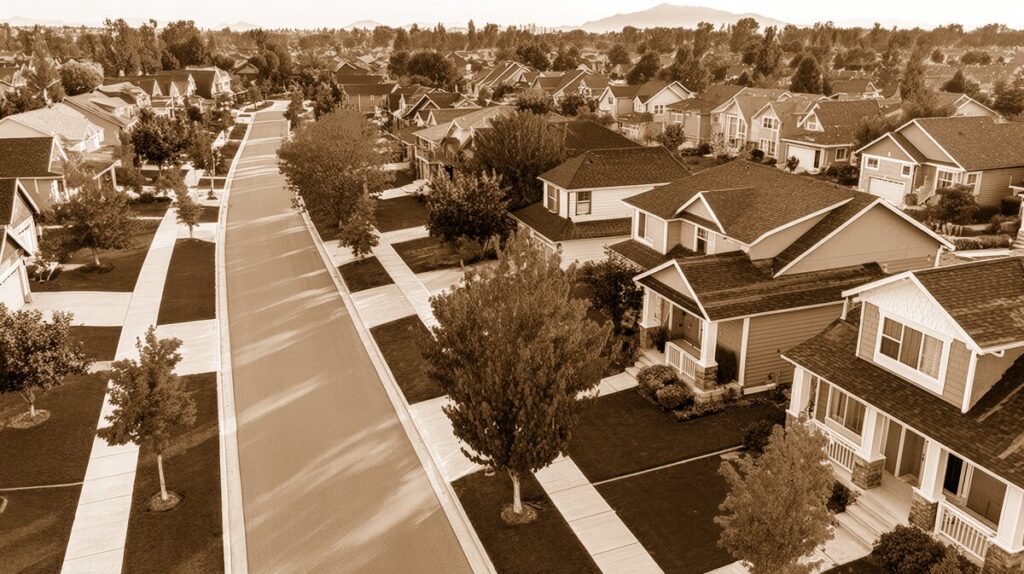
Nestled just southwest of downtown Durham, the Hope Valley neighborhood radiates an inviting warmth steeped in nearly a century of tradition, architecture, and community spirit. From its inception during the Roaring Twenties to its thriving role as one of Durham’s most picturesque enclaves today, Hope Valley dazzles with stories at every winding lane and historic fairway. As a resident or visitor strolling beneath the canopy of old-growth trees along streets like West Dover Road or Exeter Way, it’s easy to see why Hope Valley remains a gem in the Bull City’s crown.
The Visionary Origins of Hope Valley
The tale of Hope Valley began in 1925 with an ambitious dream: to create Durham’s first country club neighborhood, harmonizing natural beauty with gracious living. Spearheaded by real estate developers Jesse Mebane and Walter Sharpe, the idea was bold for its time. These visionaries saw beyond Durham’s industrial roots, envisioning a serene retreat connected to the city by newly paved roads—what would one day become Hope Valley Road.
At the heart of their dream was the Hope Valley Country Club and its golf course, designed by the legendary course architect Donald Ross. This 18-hole course, with its gentle hills and lush fairways, served as the nucleus of the neighborhood and remains a cherished landmark to this day.
How Hope Valley Got Its Name
Much like the rolling Piedmont landscape it inhabits, Hope Valley’s name evokes a sense of promise and optimism. While early deeds sometimes referenced nearby "Mebane farmland" or "the Sharpe tract," the developers were determined to set their vision apart. “Hope Valley” was an aspirational title—their hope for an idyllic, peaceful neighborhood.
There’s also a charming oral tradition: it’s said that the valley was named for the “hope” residents would enjoy a better quality of life away from the city’s smoky factories and bustling rail yards. Whether legend or fact, the name fits the neighborhood’s enduring spirit.
Key Historical Milestones
- 1925: Hope Valley’s founding year. Construction began on the country club and roads such as Woodburn Road and Chelsea Circle.
- 1926: Opening of the Hope Valley Country Club. Instantly a social hub for dinner dances and golf tournaments, its elegant white-columned clubhouse became an icon.
- 1930s-40s: Growth slowed during the Great Depression and World War II. Still, the neighborhood’s reputation for beauty and tranquility solidified as prominent families settled on stately lots.
- 1950s-60s: Postwar prosperity brought new residents and homes, as custom-designed ranches and split-levels joined the classic Colonial and Tudor Revival homes.
- 1970s-Present: Hope Valley weathered the ups and downs of Durham’s economic shifts, always maintaining its rare sense of place. It was named to the National Register of Historic Places in 2009—a testament to its architectural cohesion and preservation.
Notable Landmarks and Streets
Hope Valley is a treasure trove for lovers of classic architecture and hidden gems:
- Hope Valley Country Club (3803 Dover Road): The elegant clubhouse is the social heart, while the Donald Ross course draws players from all over the Southeast.
- Woodburn Road & Exeter Way: Tree-lined and bordered by distinguished Colonial Revivals and stone Tudors, these streets offer a living window into the neighborhood’s earliest years.
- Chelsea Circle: Home to some of the original 1920s residences, with sweeping front lawns and gracious porches.
- Hope Valley Elementary School (3005 Dixon Road): A beloved neighborhood institution since 1953, fostering generations of young Durhamites.
You’ll also spot wrought-iron Hope Valley signs, carefully preserved street lamps, and stone gateposts—small details that evoke the neighborhood’s genteel past.
Parks, Green Spaces, and Community Spirit
The original developers took pains to preserve Hope Valley’s rolling hills, creeks, and mature trees. Today, residents enjoy leafy shade on evening walks and impromptu chats at pocket parks like the one at Surrey Place. The neighborhood is famous for garden tours, holiday parades, and community picnics—anchored by a tight-knit network of neighbors who welcome both newcomers and old friends alike.
Just to the east lies the Third Fork Creek Greenway, linking Hope Valley to a broader network of walking and biking trails. It’s a favorite spot for families seeking a quiet escape into nature. Children still ride bikes down the gentle slopes of Rugby Road, echoing the laughter of generations gone by.
Evolution and Preservation
While much has changed around it, Hope Valley has held tightly to its core values: beauty, community, and continuity. Long before the recent wave of new construction in Durham, Hope Valley set a standard for thoughtful development. Infill homes, while modern in amenities, adhere to the neighborhood’s historic character thanks to active preservationists and civic leaders.
Today’s Hope Valley is home to lifelong residents and newcomers alike—from academics at nearby Duke University to entrepreneurs and artists. It remains a place where neighbors wave from their porches, lawns host children’s lemonade stands, and the traditions of Fourth of July parades and Halloween costume contests are passed joyfully from one generation to the next.
What Makes Hope Valley Special Today
Ask any resident, and you’ll hear the same refrain: Hope Valley is more than beautiful homes and manicured lawns—it’s a community infused with a deep sense of belonging. Its streets bear witness to nearly a century of Durham’s evolving story, connecting past and present in a tapestry of shared memories.
If you find yourself ambling under the sprawling oaks along Westbrook Drive, or catching a sunset over the stately golf course, you’re experiencing more than just a neighborhood; you’re glimpsing a living legacy. Hope Valley is, and always has been, a place where hope truly finds a home.